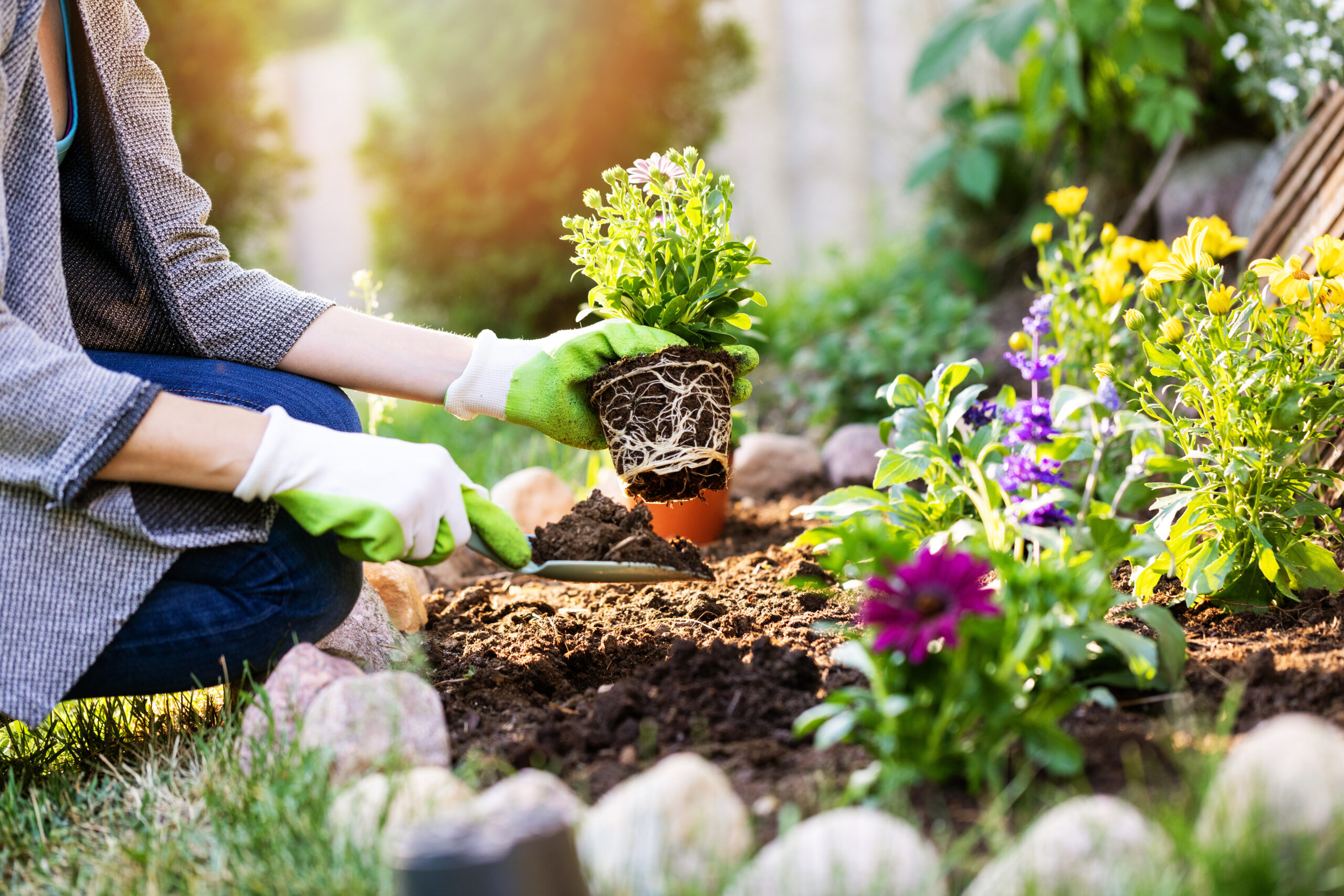
Gardening in Michigan is both a joy and a challenge. Our state offers beautiful landscapes and fertile soil, but the shifting seasons mean that what works in spring may not survive the harsh winter or the humid summer. As someone who has spent years tending gardens across Michigan, I have learned that understanding the rhythm of the seasons is key to maintaining a vibrant and healthy garden all year long. Today, I want to share some of my tips for keeping your garden thriving through every change in the calendar.
Spring: Preparing for Growth
Spring in Michigan is a season of renewal. After months of cold and snow, the soil begins to thaw, and the first signs of life appear. This is the perfect time to prepare your garden for the growing season. I always start by cleaning up the garden beds, removing any dead plant material left over from the previous year. This helps prevent disease and makes room for new growth.
Soil preparation is critical in spring. I like to test the soil to determine its pH and nutrient levels. Amending the soil with compost or organic matter provides plants with the nutrients they need to grow strong roots and vibrant foliage. I also recommend planning your garden layout during this time. Think about the placement of sun-loving plants versus shade-tolerant ones, and consider companion planting to maximize growth and deter pests naturally.
Spring is also ideal for starting seeds indoors or buying young plants from local nurseries. Early planting ensures that your garden gets a head start before the intense summer heat arrives. I always keep a close eye on frost dates, as Michigan weather can be unpredictable, and a late frost can damage delicate seedlings.
Summer: Nurturing Growth and Protecting Plants
Summer is the time when your garden truly comes alive. Flowers bloom, vegetables ripen, and the garden becomes a vibrant oasis. During this season, watering is essential. I recommend watering deeply and early in the morning to help plants withstand the heat and reduce the risk of disease. Mulching around your plants helps retain moisture, suppress weeds, and maintain stable soil temperatures.
Pests and diseases tend to be more active in summer, so regular monitoring is important. I walk through my garden every few days, checking leaves for signs of damage and addressing problems early. I prefer natural remedies whenever possible, such as introducing beneficial insects or using organic sprays.
Summer is also a time for harvesting. For vegetable gardeners, picking crops at their peak not only provides delicious food but encourages continued production. Flowers can be deadheaded to promote new blooms and keep the garden looking fresh. I find that consistent care during the summer months pays off with a garden that feels full and thriving.
Fall: Preparing for Winter
Fall is a transitional season and an opportunity to prepare your garden for the cold months ahead. I love this time of year because the garden takes on rich colors and textures, but it also requires careful attention. I start by cleaning up spent annuals and removing debris to prevent pests from overwintering in the garden.
Fall is also the ideal time to plant perennials, shrubs, and trees. The soil is still warm, which encourages strong root growth before winter. I often add a layer of mulch around new plantings to protect roots from freezing temperatures. For vegetable gardeners, fall is a great time to plant cool-season crops such as kale, spinach, and garlic. These plants can survive frost and often improve in flavor after a cold snap.
Winter: Maintaining and Planning
Winter may seem like a dormant time for gardeners, but it is an important season for preparation and planning. I enjoy using the slower months to reflect on the past year’s successes and challenges and to plan next year’s garden. Ordering seeds, sketching layouts, and researching new techniques keep my enthusiasm alive even when the ground is covered in snow.
Indoor gardening can also be rewarding during winter. Herbs, small vegetables, and even some flowers can thrive on sunny windowsills. Maintaining indoor plants helps me stay connected to nature and ensures that I am ready to hit the ground running when spring arrives again.
Conclusion
Gardening in Michigan is a dynamic and rewarding experience. Each season brings its own challenges and opportunities, and by embracing the rhythm of the year, you can maintain a thriving garden from spring through winter. Clean up and prepare in the spring, nurture and protect in the summer, plan and plant in the fall, and reflect and maintain in the winter. With attention, patience, and a little creativity, your garden can flourish year-round and bring joy no matter what the calendar says.
Gardening is more than planting seeds; it is about cultivating life, observing the natural world, and finding satisfaction in small, everyday victories. By working with the seasons instead of against them, Michigan gardeners can create spaces that are vibrant, resilient, and alive with beauty all year long.