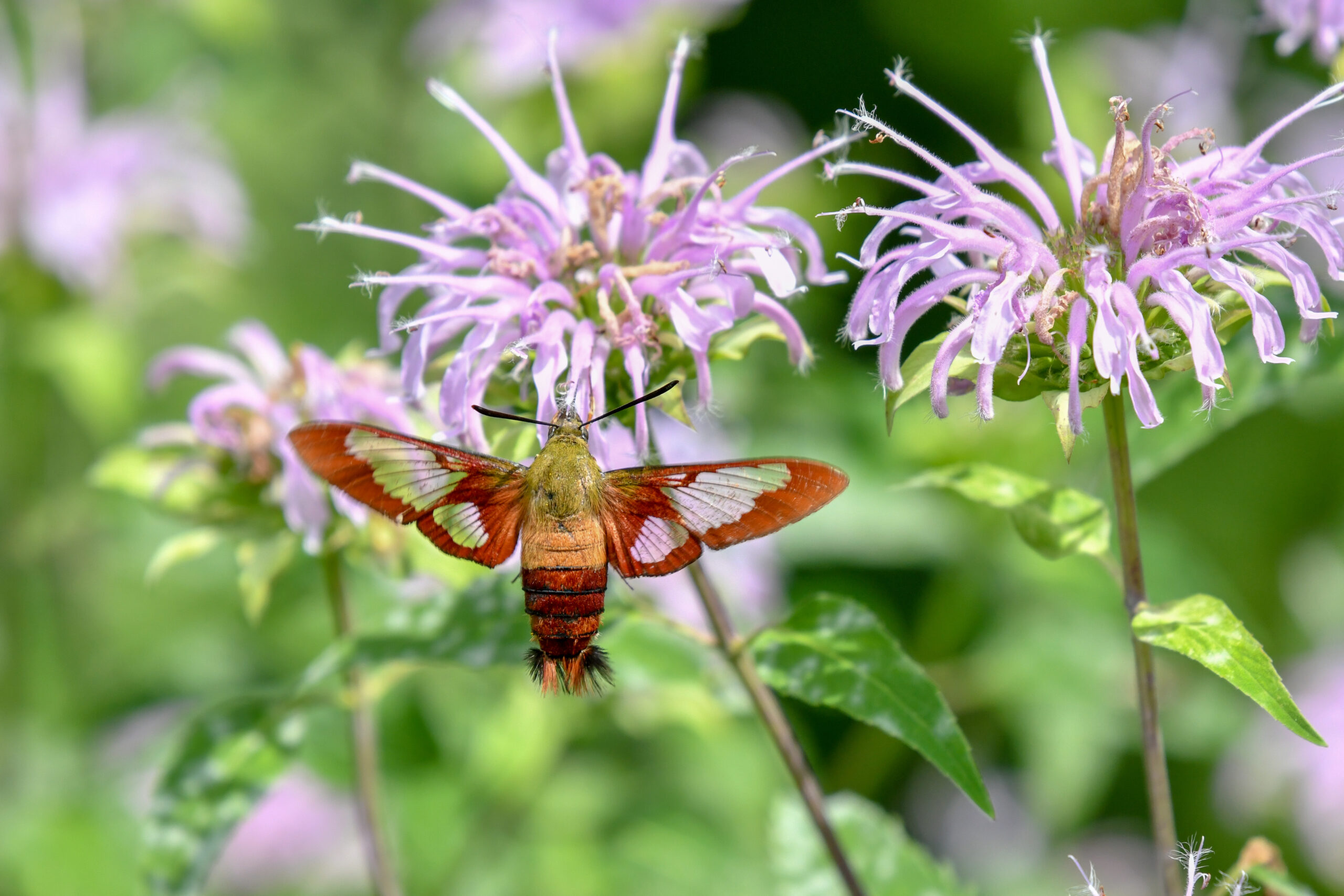
Gardening has always been more than a hobby for me. It is a way to connect with nature, create beauty, and support the environment. One of the most important lessons I have learned over the years is the value of native plants. These are plants that naturally occur in your region, and they offer numerous benefits for your garden, local wildlife, and the overall ecosystem. By incorporating native plants into your garden, you can create a space that is both beautiful and supportive of the natural world.
Understanding the Benefits of Native Plants
Native plants are perfectly adapted to the climate, soil, and wildlife of their region. This means they are more likely to thrive with less maintenance, water, and fertilizer compared to non-native species. For gardeners in Michigan, this includes plants that have evolved to survive cold winters, hot summers, and varying rainfall. By choosing plants that naturally belong to your area, you are setting your garden up for long-term success.
Beyond their adaptability, native plants provide essential resources for local wildlife. Birds, butterflies, bees, and other pollinators have co-evolved with these plants, relying on them for food, shelter, and breeding grounds. A garden filled with native species can become a haven for these creatures, supporting biodiversity and contributing to a healthier ecosystem.
Supporting Pollinators in Your Garden
Pollinators, including bees, butterflies, and hummingbirds, play a critical role in the growth of flowers, fruits, and vegetables. Without them, many of the plants we enjoy would struggle to reproduce. Native plants offer nectar and pollen that are perfectly suited to local pollinators, making your garden an essential stop on their routes.
When planning a pollinator-friendly garden, I suggest planting a variety of species that bloom at different times throughout the season. Early spring flowers provide nourishment for pollinators emerging from hibernation, while summer and fall blooms sustain them through warmer months. Some favorite native plants for Michigan gardens include coneflowers, bee balm, black-eyed Susans, and milkweed. These plants attract a wide range of pollinators and also bring vibrant color and texture to your garden.
Creating Habitat for Wildlife
In addition to supporting pollinators, native plants provide critical habitat for birds, small mammals, and beneficial insects. Trees, shrubs, and perennials can serve as shelter and nesting sites, while seeds, berries, and foliage offer food throughout the year. By choosing a diverse mix of plants, you can create layers of habitat that encourage wildlife to visit and thrive.
Even small spaces can make a difference. Container gardens with native flowers or small shrubs can support pollinators on balconies or patios. Adding a water source, such as a birdbath or small fountain, further enhances the environment for wildlife. These simple additions help maintain ecological balance and foster a deeper connection between your garden and the natural world.
Designing a Beautiful and Functional Native Garden
Native plants do not mean sacrificing beauty or design. On the contrary, they can create stunning, low-maintenance landscapes that change with the seasons. I like to combine plants of varying heights, textures, and colors to create visual interest and mimic natural ecosystems. Clumping taller grasses behind colorful perennials, planting flowering ground covers, and incorporating small shrubs creates depth and movement in the garden.
Native plants are also resilient. They require less watering and chemical intervention, which makes gardening easier and more environmentally friendly. By using plants that are naturally suited to your region, you spend less time troubleshooting and more time enjoying the beauty and life in your garden.
Taking Action for a Healthier Ecosystem
Every garden can make a difference. By planting native species and creating spaces for pollinators and wildlife, you are contributing to a healthier environment both locally and globally. Educating friends, neighbors, and family about the benefits of native gardening amplifies this impact. Even small changes, like replacing a portion of your lawn with native flowers or adding a few milkweed plants, can support the survival of important pollinator populations.
Conclusion
Incorporating native plants into your garden is one of the most effective ways to support pollinators and wildlife while maintaining a thriving, low-maintenance landscape. These plants are adapted to your region, provide essential resources for local species, and can create visually stunning gardens that change with the seasons.
Gardening with native plants is not just about aesthetics. It is about cultivating a connection to the land, supporting biodiversity, and contributing to a healthier planet. Every choice we make as gardeners has an impact, and by choosing native plants, we are helping ensure that pollinators, birds, and other wildlife continue to flourish.
For anyone looking to create a more vibrant, resilient, and ecologically friendly garden, I encourage you to explore the native plants in your area. Observe the pollinators that visit, notice the wildlife that benefits, and enjoy the sense of accomplishment that comes from creating a garden that truly supports life. Gardening with intention and care allows us to celebrate the beauty of nature while giving back to it in meaningful ways.